The Ultimate Guide to Roofing Upkeep: Advice From Expert Roofers
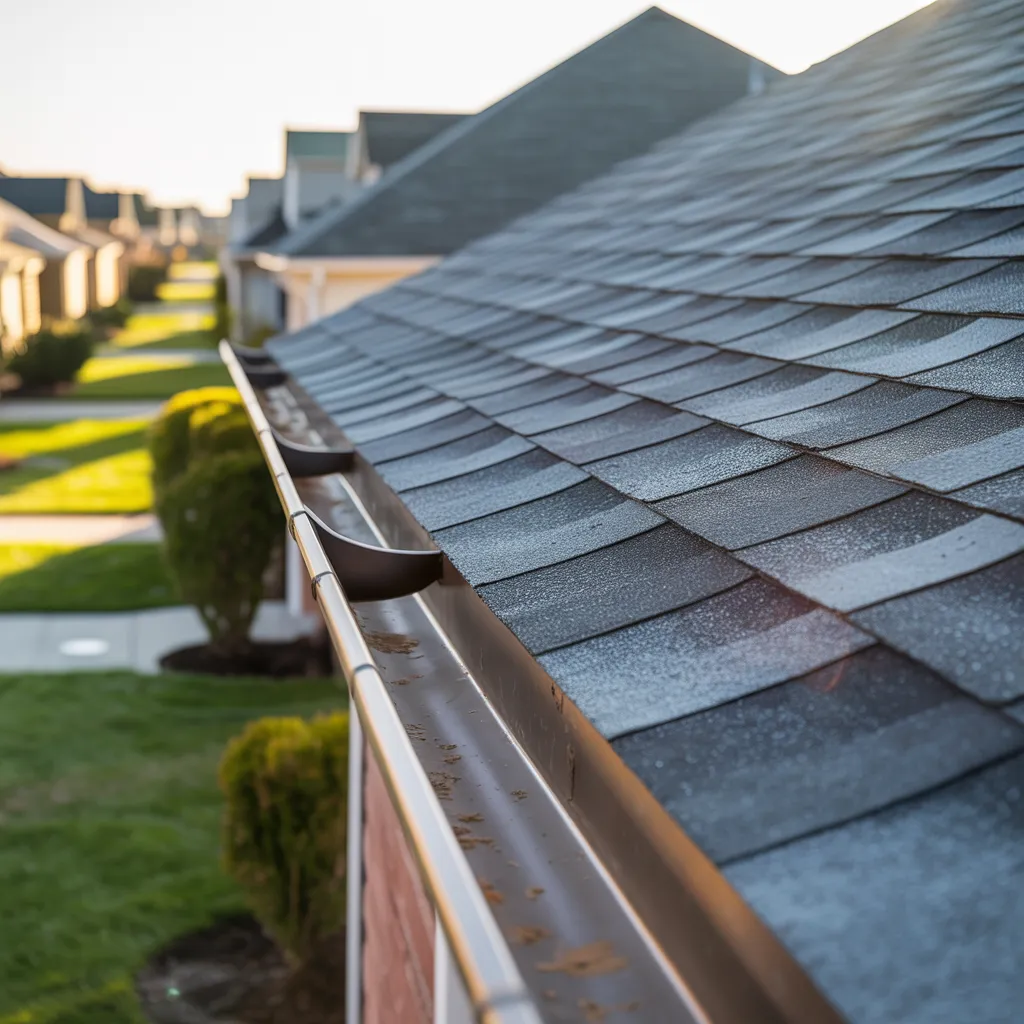
Maintaining a roof is critical for any homeowner. Neglecting this aspect can lead to major expenses and lower home price. Expert roofers stress the importance of preventative maintenance and swift issue recognition. Basic inspections can reveal issues like lacking roofing materials or moisture stains. Comprehending how to fix these problems can rescue owners from later complications. Yet, many stay oblivious of the measures needed for sound maintenance. What important tasks should be focused upon?
Key Cyclical Roof Maintenance Tasks
Essential roof care is critical for lengthening the lifespan of a home's roof. Seasonal maintenance are important in ensuring its structural condition and operation. In spring, homeowners should check for winter damage, clear away debris, and inspect gutters for blockages. This prevents pooling that can create leaks. During summer, it is best to examine flashing and seals, as the heat can lead to expansion and contraction, which may result in damage.
Throughout the fall, property owners should clear debris and twigs to prevent moisture retention, which can foster mold growth. Additionally, inspecting shingles for wear is key, as autumn storms can worsen current weaknesses. Cold season upkeep involves checking for ice dams and ensuring adequate insulation to avoid heat loss. By adhering to these routine maintenance activities, homeowners can properly care for their roofs, enhancing durability and reducing costly repairs.
Approaches to Notice Roofing Deterioration Soon After It Occurs
Early detection of roof damage is crucial for maintaining a home's integrity. By spotting common signs of damage and performing regular inspections, homeowners can avoid more extensive repairs. A seasonal maintenance checklist can further aid in detecting potential issues before they escalate.
Standard Indications of Wear
Early identification of roof damage can save homeowners from costly repair expenses and avoid further problems. Common indicators of damage include missing or cracked shingles, which expose the materials underneath to moisture. Homeowners should also watch for dark streaks or mold, which may signal water leaks. Ponding water, particularly in low spots, can cause deterioration over time. Additionally, internal signs such as water stains on ceilings or walls often suggest roof leaks. It is vital to inspect the flashing around chimneys and vents, as damaged flashing allows water to penetrate. Lastly, sagging spots on the roof surface could signal structural problems. Timely recognition of these signs enables prompt repairs, safeguarding the home’s integrity and value.
Assess Your Roof Frequently
While many property owners may overlook their roofs, conducting regular inspections is essential for maintaining their condition. Regular assessments allow residents to identify possible issues before they escalate into costly repairs. During an inspection, people should look for missing or damaged shingles, signs of moisture marks inside the home, and any debris accumulation in gutters. Additionally, checking for areas of sag or rusted flashing can reveal hidden problems. It’s also beneficial to examine the condition of ventilation systems, ensuring they function properly to prevent moisture buildup. Scheduling inspections at least twice a year, preferably in spring and fall, can help catch damage early, ultimately extending the roof's lifespan and preserving the home’s overall value.
Seasonal Service List
As times of the year change, homeowners should be diligent in assessing their roofs for possible damage. A periodic maintenance checklist is essential for detecting issues before they escalate. In spring, remove debris and inspect for lost shingles. Summer inspections should focus on checking for signs of wear from UV exposure. During fall, it is vital to clear leaves and inspect gutters for blockages. Winter requires watchfulness for ice dam formation and leaks from melting snow. Homeowners should look for water stains on ceilings and walls, which indicate possible leaks. Regularly inspecting flashing, vents, and chimneys can also avoid costly repairs. By adhering to this checklist, homeowners can prolong their roof's lifespan and protect their investment.
Self-Performed Roof Inspection: Steps to Check for Issues
Undertaking a DIY roof assessment can help homeowners spot potential problems before they escalate. This approach requires implementing effective inspection approaches, spotting common challenges, and adhering to essential safety guidelines. By staying alert, homeowners can preserve their roofs and guarantee long-term durability.
Visual Review Procedures
A comprehensive visual examination of a roof can expose possible harm before it escalates into costly repairs. Homeowners should commence by assessing the roof's surface for missing, cracked, or curled shingles. Checking the flashing around chimneys, vents, and skylights is important, as poor waterproofing can trigger leaks. Observing the gutters for granules from shingles can demonstrate wear. Additionally, viewing the roof from the ground can provide a broader view of any sagging or uneven areas. Using binoculars can help spot issues without needing to climb onto the roof. Ensuring safety is vital; if the roof's pitch is steep or conditions are unsafe, it is advisable to consult a professional for a more thorough evaluation.
Spotting Regular Challenges
Many homeowners overlook the importance of recognizing typical roofing problems, which can result in major issues over time. Regular inspections can reveal issues such as missing or damaged shingles, which may expose underlying materials to moisture. Additionally, homeowners should check for loss of granules, often apparent in gutters, indicating potential shingle breakdown. Flashing around chimneys and vents should be inspected for corrosion or openings, as these can cause leaks. Mold or algae growth on shingles can also indicate moisture buildup, requiring further examination. Moreover, signs of drooping or uneven surfaces
Safety Protocols Vital
While performing a DIY roof inspection can prove beneficial, taking safety precautions is vital to avert accidents. Roofers recommend using a solid ladder, confirming it is situated on a flat surface, and preserving three points of contact while climbing. Wearing appropriate footwear with superior traction can also lower the potential of slipping. Moreover, individuals should assess the weather conditions; avoiding strong winds or precipitation enhances safety. It is wise to have a partner present for assistance and to communicate plans clearly. Finally, applying safety harnesses when laboring on steep roofs can deliver added protection. By following these safety measures, residents can effectively inspect their roofs while minimizing the threat of injury.
Detecting and Fixing Common Roofing Problems
Homeowners frequently overlook the subtle signs of roofing issues until they escalate into significant problems. Typical warning signs consist of missing shingles, water stains on ceilings, and granules accumulating in gutters. These signs can indicate leaks or deterioration that demand immediate attention.
To address these issues, property owners should execute routine checks, notably after severe weather events. If damaged roof tiles are identified, replacing them promptly can prevent more damage. Moisture marks may suggest water intrusion, necessitating roofing work or even substitution of base materials.
Moreover, checking for damaged flashing around chimneys and vents is critical, as compromised flashing can cause leaks. Keeping gutters devoid of debris will also help guarantee proper drainage, reducing the risk of water pooling on the roof. By identifying these issues early and executing corrective measures, homeowners can extend the life of their roofs and protect their homes from costly repairs.
When Should You Engage a Roofing Professional? Understand the Indicators
When should a homeowner consider employing a roofer? Property owners should seek expert help when dealing with substantial roofing issues that exceed their ability. This encompasses major leaks, noticeable sagging, or missing shingles, which can undermine structural integrity. Additionally, if a property owner observes evidence of mold or moisture damage inside the house, it is essential to consult a roofing contractor immediately.
Storm harm can also demand skilled expertise; a experienced roofer can inspect obscured deterioration that may not be immediately visible. Furthermore, if a homeowner is planning to set up a new roof or undertake major renovations, retaining a professional guarantees conformity with local codes and standards. Finally, if regular maintenance becomes overwhelming, appointing a roofer for periodic evaluations can help prevent future issues. Recognizing these situations can save homeowners from further complications down the line.
Creating a Financial Plan for Roof Upkeep and Repairs
Roof maintenance and repairs often come with unexpected costs, making it essential for homeowners to determine a realistic budget. A exhaustive budget should take into account both regular upkeep and potential emergency repairs. Property owners are instructed to assess the age and state of their roofs, as aging roofs may call for more regular monitoring.
Creating a separate account for these costs can alleviate financial stress when issues arise. Professionals suggest setting aside 1-3% of the home's value each year for roof upkeep, which encompasses inspections, minor repairs, and materials. Furthermore, getting multiple quotes from reputable roofers can provide a clearer understanding of potential costs.
Consistent upkeep can help increase the durability of a roof and stop major, more pricey repairs down the line. By planning effectively, property owners can handle their roofing expenses more efficiently and preserve their stake in their property.
Lasting Benefits of Consistent Roof Maintenance
Although many may view roof maintenance as a minor task, its long-term benefits greatly exceed the initial investment. Routine upkeep prolongs the lifespan of a roof, reducing the need for costly repairs or premature replacements. By handling small issues promptly, homeowners can stop extensive damage caused by water intrusion or structural weaknesses, ultimately saving significant sums over time.
Moreover, a properly maintained roof increases energy efficiency, as it avoids heat loss and cuts cooling costs. It also enhances improved property value; prospective buyers often favor homes with documented maintenance history. Additionally, regular inspections can uncover potential problems before they escalate, ensuring safety and peace of mind for inhabitants.
Lastly, maintaining a roof can prevent mold and mildew growth, encouraging better indoor air quality. Therefore, the benefits of routine roof upkeep not only preserve the structure but also elevate the overall living environment.
Common Asked Inquiries
How Many Times Should I Clean My Gutters to Protect Home Health?
Gutters need to be cleaned at least two times per year to keep your roof in good condition. However, additional cleaning might be needed following intense weather events or during fall, when leaves can collect and block adequate water flow.
What Roof Options Require Different Maintenance Methods?
Various roofing materials require varied upkeep techniques. Asphalt shingles require frequent inspections and clearing of debris, while metal roofs gain advantages from regular seal applications. Tile roofs need careful cleaning to prevent algae, and wood shingles demand treatment against rot and pests.
Does Roof Maintenance Help Prevent Moisture Issues When Strong Storms Occur?
Roof upkeep can significantly reduce water damage during heavy rain. Routine checks, timely repairs, and proper sealing of materials guarantee that potential vulnerabilities are addressed, improving the roof's ability to withstand severe weather conditions effectively.
How Does Weather Influence Roof Lifespan and Maintenance Requirements?
Weather greatly affects roof lifespan and upkeep requirements. Severe temperature fluctuations, substantial rain, and strong gusts can speed up damage, necessitating consistent checks and repair work to ensure peak performance and protect against significant harm.
What Traits Reveal Inferior Roof Installation to Spot?
Signs of substandard roof installation include uneven shingles, visible gaps or seams, sagging areas, water leaks, and significant granule loss. These indicators can lead to early wear and increased maintenance requirements, compromising the roof integrity.
To conclude, we have considered the vital information highlighted across this inspection.
In closing, protecting a roof is required for homeowners working to lengthen the lifespan of their purchase and deliver a secure living environment. By following seasonal servicing tasks, performing regular inspections, and Roofing Fort Wayne addressing issues at once, homeowners can effectively prevent costly repairs. Determining when to manage repairs themselves and when to bring in professional help is significant. Ultimately, a hands-on approach to roof preservation not only boosts the home's market worth but also supports better indoor air quality and overall comfort.
Comments on “How Roofer Provides Structural Safety”